Community Amenities That Add Value

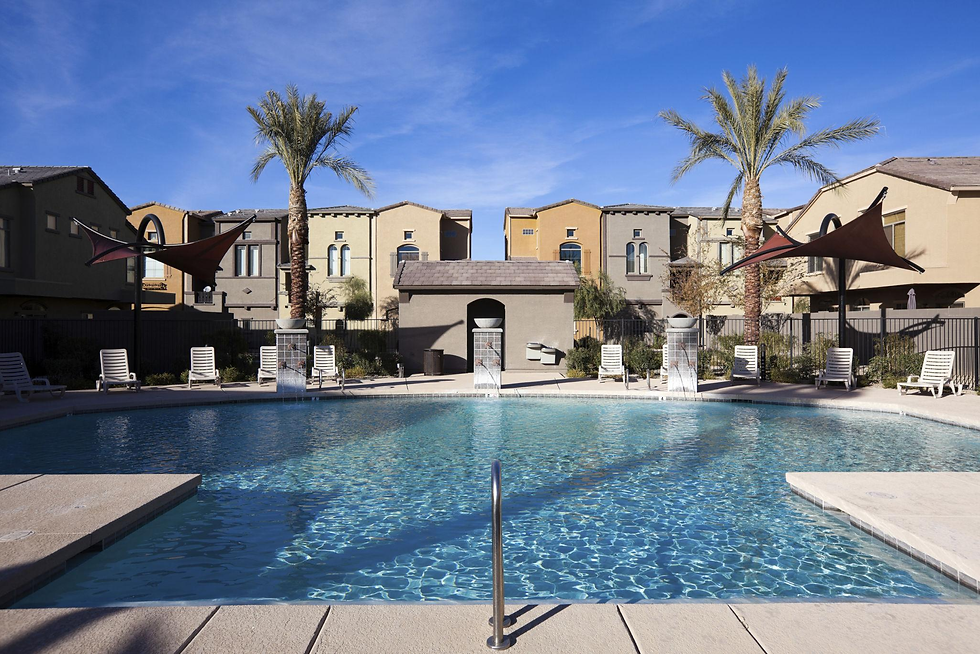
When buyers evaluate a neighborhood, they are often looking beyond the home itself. Community amenities can play a major role in lifestyle, convenience, resale potential, and long-term property value.
In competitive real estate markets like Silicon Valley and the Bay Area, neighborhoods with strong amenities often attract higher buyer demand and stronger appreciation over time.
Parks and Green Spaces
One of the most universally valued community features is access to parks and outdoor recreation.
Buyers often look for:
Walking trails
Playgrounds
Picnic areas
Sports fields
Dog parks
Open green space
Parks can improve:
Quality of life
Outdoor activity
Community interaction
Neighborhood appeal
Homes near attractive parks are often highly desirable for both families and active professionals.
Walkability and Nearby Retail
Communities with nearby restaurants, coffee shops, grocery stores, and entertainment often attract strong buyer interest.
Walkable amenities can:
Reduce car dependency
Improve convenience
Encourage outdoor activity
Create a stronger sense of community
Many buyers are willing to pay more for neighborhoods where daily errands and dining are easily accessible.
Community Pools and Recreation Centers
Shared recreational amenities are especially popular in:
Planned communities
Condo developments
Gated neighborhoods
Common amenities include:
Swimming pools
Fitness centers
Tennis courts
Basketball courts
Clubhouses
These features can create a resort-style atmosphere and add convenience for residents.
Strong School Districts
Even buyers without children often pay attention to school quality because strong school districts can influence:
Resale value
Buyer demand
Neighborhood stability
Long-term appreciation
Communities near highly rated schools often maintain strong market performance over time.
Fitness and Wellness Amenities
Health-focused amenities are becoming increasingly attractive to buyers.
Popular features include:
Walking paths
Bike trails
Community gyms
Yoga spaces
Outdoor fitness areas
Communities that encourage active lifestyles often appeal strongly to modern buyers.
Public Transportation Access
In major metro regions, transit accessibility can significantly increase neighborhood appeal.
Buyers often value proximity to:
Train stations
Light rail
Bus routes
Shuttle systems
Good transit access may reduce commute stress and increase long-term convenience.
Community Events and Social Spaces
Amenities that encourage social interaction can strengthen neighborhood identity and community connection.
Examples include:
Farmers markets
Outdoor plazas
Event spaces
Holiday celebrations
Community centers
Many buyers appreciate neighborhoods that feel active and socially connected.
Security Features
Communities with added security measures may appeal to buyers seeking greater peace of mind.
Features may include:
Gated entrances
Security patrols
Surveillance systems
Well-lit streets
While security features do not eliminate crime, they often contribute to stronger buyer confidence and neighborhood appeal.
Pet-Friendly Features
As pet ownership continues rising, pet-friendly amenities have become more valuable.
Popular features include:
Dog parks
Walking trails
Pet waste stations
Outdoor gathering areas
Pet-friendly communities often attract a broader range of buyers.
HOA Maintenance and Landscaping
Well-maintained common areas can significantly affect neighborhood appearance and buyer perception.
Buyers often value:
Clean landscaping
Maintained entrances
Consistent neighborhood appearance
Managed community upkeep
Strong HOA management can help preserve curb appeal and long-term property values.
The Bottom Line
Community amenities can greatly influence both lifestyle and property value.
Features that often add strong appeal include:
Parks and green space
Walkability
Recreation facilities
Good schools
Transit access
Social gathering spaces
Security features
Pet-friendly amenities


Comments